From Patrol Officer to Expert Witness: The Experience Behind DEFTAC
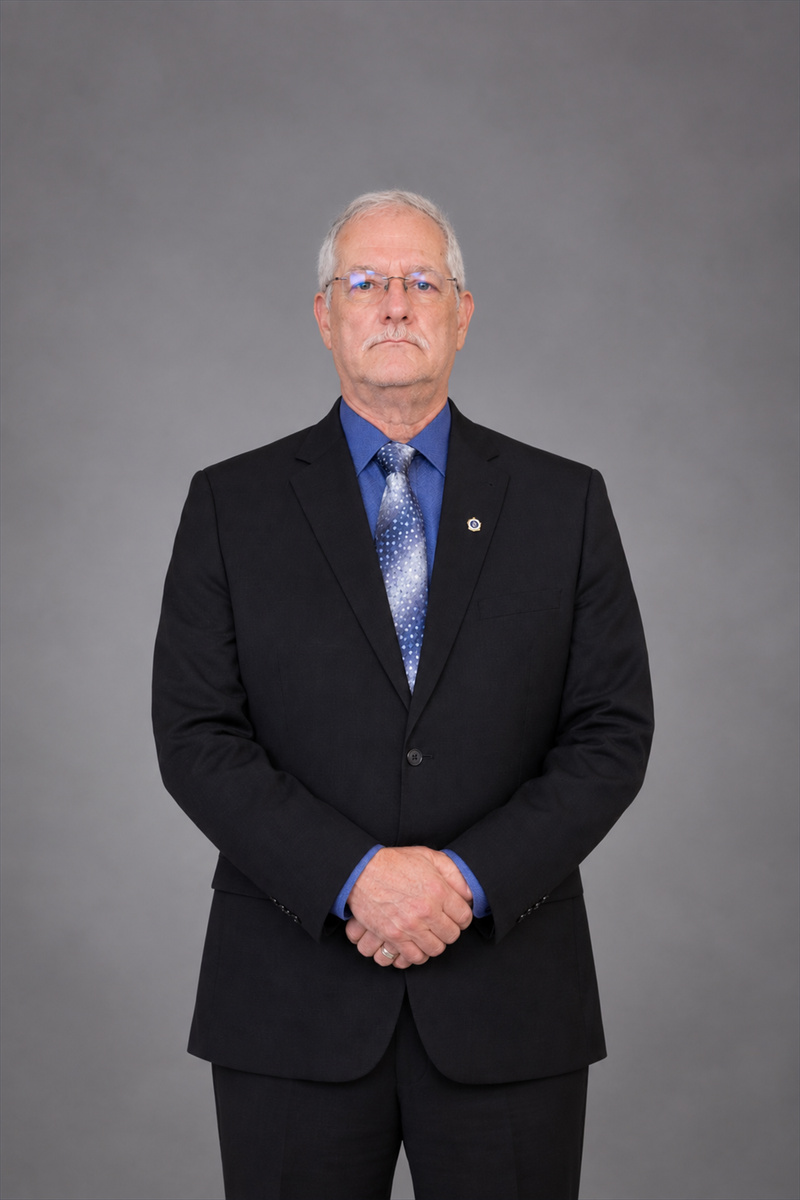
By Patrick Michael Mays
When an attorney calls me about a use-of-force case, they aren't just asking what a policy says. They're asking what a reasonable, well-trained officer would have done in that moment, on that street, with that person in front of them. Answering that question honestly takes more than reading a manual. It takes years of doing the job, training others to do it, and seeing where things go right and where they go wrong.
Here's how I got here.
Starting on Patrol
I began my law enforcement career in 1987 as a patrol officer with the Clinton Police Department in Clinton, North Carolina. Within nine months I was promoted to narcotics detective and assigned to the drug and alcohol law enforcement division. Those early years taught me the basics that never change: officer safety, clear communication, and the responsibility that comes with every decision to use force.
Building a Federal Drug Task Force
In 1992, Sheriff R. Thomas Breedlove of the Vance County Sheriff's Department recruited me to help form a new regional federal drug task force. I was hired as a narcotics detective and shortly after promoted to Assistant Task Force Director, reporting directly to the Sheriff.
In that role I conducted, managed and supervised undercover operations, state-level narcotics investigations and federal grand jury major case investigations. I also served as a tactical planner and the primary tactics trainer for the Special Weapons and Tactics team, and I was part of a technical entry and high-risk raid team.
Teaching Officers How to Use Force, and When Not To
Throughout my career, training has been at the center of my work. I was the department's only state-certified in-service instructor and a full limited lecturer in the use of deadly physical force continuum. I was also the only department and inter-agency trainer for unarmed self-defense, in-service use-of-force policy, tactical instruction, defensive tactics and the legal issues that come with them.
I'm a Specialized Defensive Tactics Instructor certified by the North Carolina Criminal Justice Training and Standards Commission. My training also includes narcotics investigations and covert operations, specialized legal concerns, narcotics case management, raid and search warrant execution, and certification as a Criminal Justice General Instructor and Full Limited Lecturer Instructor in Specialized Control Techniques.
From 1999 to 2006 I also worked as a correctional officer in Spruce Pine, North Carolina, which gave me a direct view of force and restraint inside a custody setting.
A Lifetime in the Martial Arts
Alongside law enforcement, I've spent my life in the martial arts. I'm the founder and master instructor of the Senshiken Karate style, I still teach civilian martial artists and a self-defense club, and I'm a member and inductee of the International Karate and Kickboxing Hall of Fame, the first inductee from the State of West Virginia.
In all, I have more than 40 years of combined experience as a martial artist, police officer, deputy sheriff, detective, tactical drug unit commander, correctional officer and defensive tactics instructor.
What That Experience Means in a Case
That background is what I bring to every case at DEFTAC. When I review a use-of-force incident, I measure the officer's actions against the force continuum, departmental policy and what a reasonable and prudent officer would have done with the same information.
In one federal civil case, I was asked to review an arrest assuming the plaintiff's facts were true. My analysis looked at whether the person was following commands, whether they had told the officer about a recent surgery, their age, whether force continued after the person was no longer a threat, and whether backup should have been present. My conclusion in that report was simple: once a person is under arrest and in custody, all use-of-force techniques should stop, and the only force in effect should be visible restraints.
Those are the questions I ask in every case: Was the force necessary? Was it proportionate? Did it stop when it should have? And would a properly trained officer have handled it differently?
Working With Attorneys Nationwide
Today I provide use-of-force analysis and expert witness services to attorneys across the country, including excessive force case analysis, in-custody trauma evaluations, civil rights violation assessments, and death or serious injury investigations.
If you're handling a use-of-force or police misconduct case and want an experienced, plain-spoken review of what happened, I'd be glad to talk with you.